Otoplasty
Otoplasty is a form of reconstructive or cosmetic ear surgery designed to improve the shape, position, proportion, or structure of the outer ear. It may be considered for congenital ear differences, asymmetry, prominent ears, underdeveloped ear structures, or changes caused by injury, burns, infection, or previous surgery.
Otoplasty is a form of reconstructive or cosmetic ear surgery designed to improve the shape, position, proportion, or structure of the outer ear. It may be considered for congenital ear differences, asymmetry, prominent ears, underdeveloped ear structures, or changes caused by injury, burns, infection, or previous surgery.


_NO_PAGE_BADGE.png)

_NO_PAGE_BADGE.png)


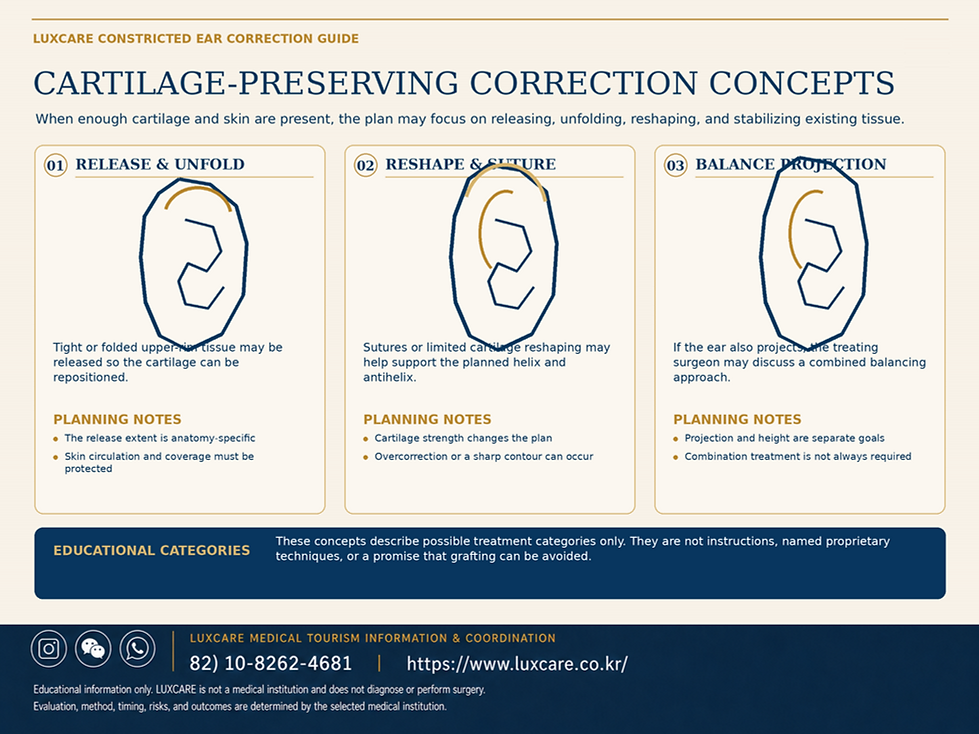
Constricted Ear
A constricted ear, sometimes called a cup ear or lop ear, is a congenital condition in which the upper ear may appear folded, tightened, flattened, or smaller than expected. The outer rim may not fully expand, and the ear can appear uneven or asymmetrical.




Cryptotia
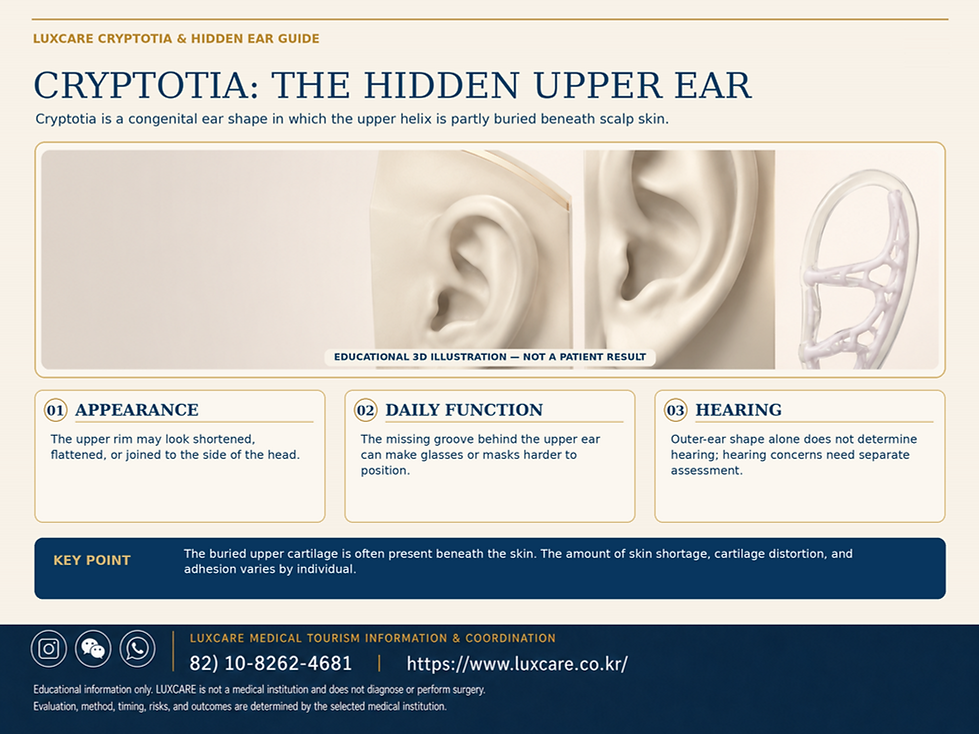
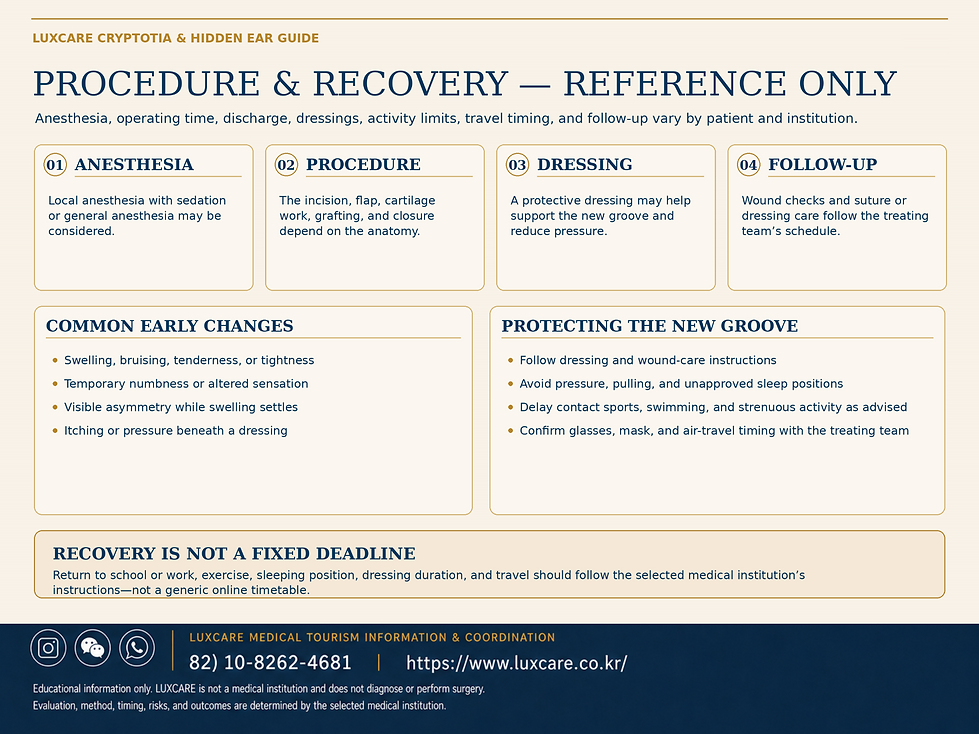
Cryptotia, also known as hidden ear, occurs when the upper portion of the ear is partly buried beneath the scalp skin. The upper ear cartilage may not have a clearly visible groove separating it from the side of the head.



Earlobe
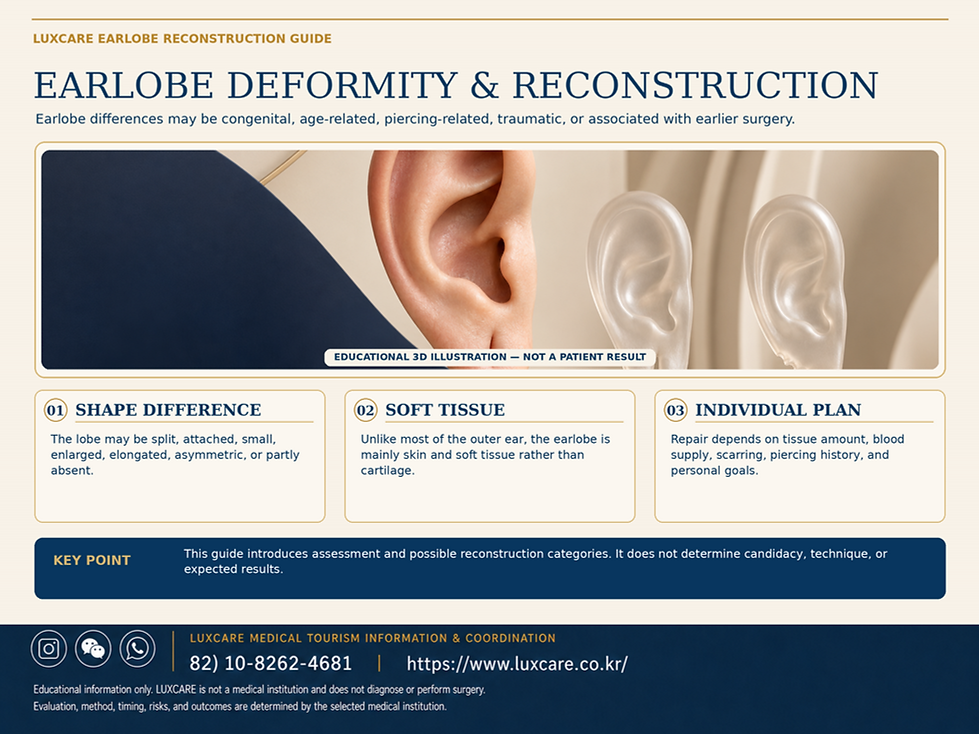
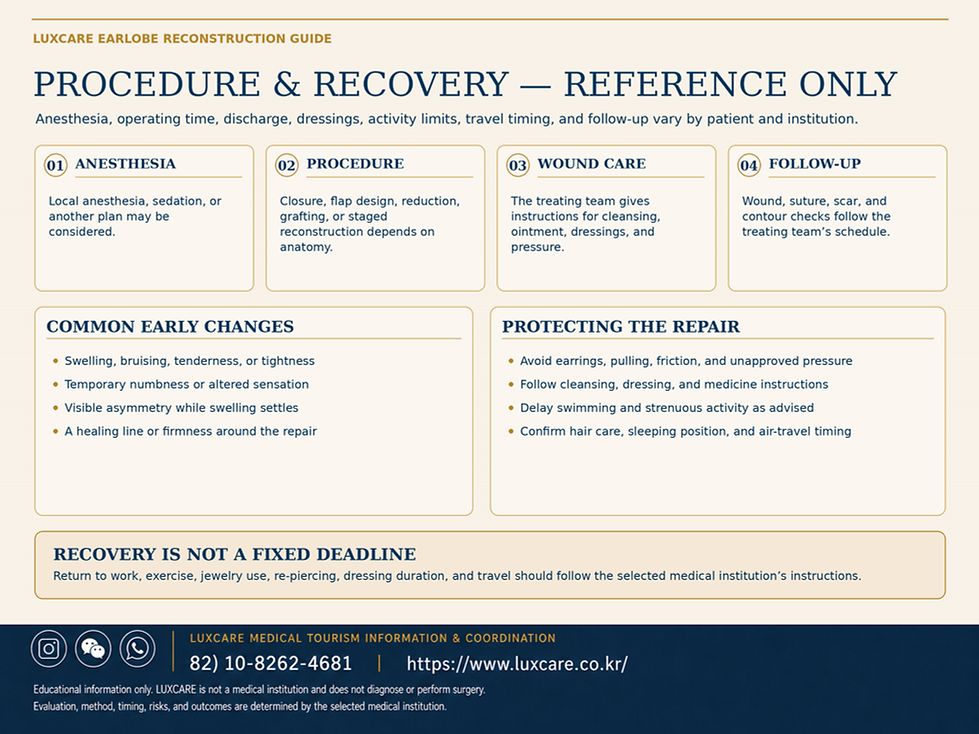
Earlobe surgery may address congenital differences, asymmetry, enlarged piercing holes, stretched tissue, tears, scars, or changes associated with aging or previous procedures.



Microtia
Microtia is a congenital condition in which the outer ear is smaller than usual or incompletely developed. Its appearance and severity can vary considerably, and it may occur together with narrowing or absence of the external ear canal.


Prominent Ear
Prominent ears extend farther from the side of the head than usual. This may be related to an underdeveloped inner ear fold, a deep cartilage bowl, earlobe prominence, or a combination of anatomical features.


Tragal Deformity
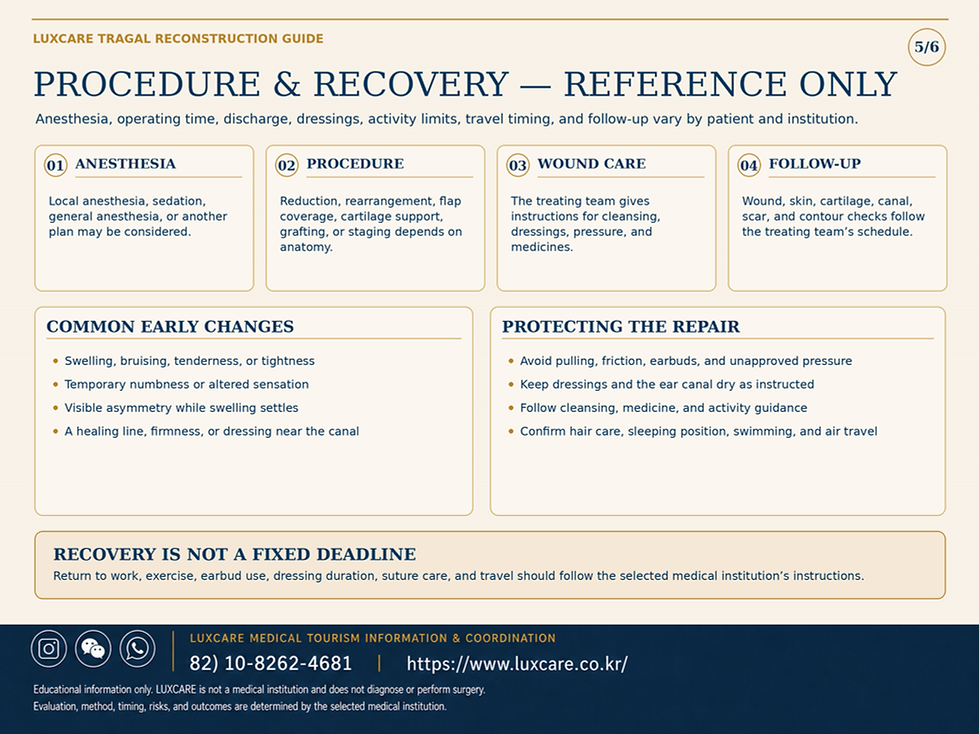
The tragus is the small cartilage structure positioned in front of the ear canal. A tragal deformity may be congenital or may develop following injury, infection, tissue removal, piercing complications, or previous surgery.



Notice
Each procedure requires an individualized approach based on the patient’s anatomy, medical history, expectations, and previous surgical records. LUXCARE assists international patients by coordinating consultations with registered medical institutions in Korea and supporting hospital selection, appointment scheduling, interpretation, transportation, accommodation, and recovery arrangements.
The final surgical plan, technique, implant selection, and eligibility for surgery are determined by the treating plastic surgeon following an in-person medical consultation.
LUXCARE helps collect and transfer previous surgical records and implant information, arrange specialist consultations, and coordinate interpretation and travel logistics. The final plan is determined after examination and review of the patient’s surgical history.